Authentic Scottish Oatmeal Breakfast
Traditional Scottish porridge is more than just breakfast: it’s a culinary tradition that dates back centuries. This authentic recipe uses pinhead oatmeal, the traditional Scottish oat variety, for a texture and flavour that modern rolled oats can’t match.
History of Scottish Porridge
Porridge has been a Scottish staple since medieval times. In the cold Scottish climate, a warm, hearty breakfast provided essential energy for the day ahead. Traditional porridge was often cooked in a large pot over an open fire, stirred with a wooden spurtle, a Scottish porridge stick that prevents lumps.
Many Scottish families have their own porridge traditions, passed down through generations.
Ingredients
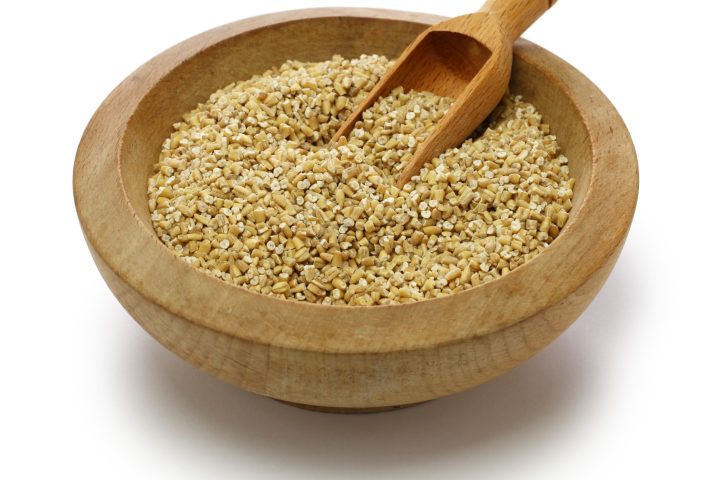
For 4 servings:
- 1 cup (120g) Scottish pinhead oatmeal
- 4 cups (950ml) cold water
- ½ teaspoon sea salt (or to taste)
- Optional toppings: honey, cream, berries, or a dash of whisky
Method
Step 1: Measure Oatmeal
Use traditional Scottish pinhead oatmeal (also called coarse oatmeal). This gives the authentic texture that rolled oats lack. Pinhead oatmeal retains more nutrients and has a nuttier flavour.
Step 2: Combine with Water
Add 1 measure of oatmeal to 3-4 measures of cold water in a heavy-based pan. The traditional ratio is 1:3 or 1:4 depending on desired thickness.
Step 3: Add Salt
Add sea salt to taste, about ½ teaspoon for this quantity. In Scotland, salt is added during cooking, not at the table.
Step 4: Cook Slowly
Bring slowly to a boil, stirring constantly with a spurtle (traditional porridge stick) or wooden spoon. This prevents sticking and lumps.
Step 5: Simmer
Once boiling, reduce heat and simmer for 15-20 minutes, stirring regularly, until the porridge thickens to your preferred consistency.
Step 6: Serve
Serve hot in traditional Scottish bowls. Add toppings if desired, though purists enjoy it plain with just a splash of cold cream or milk.
Cooking Tips
Choose the Right Oats
Pinhead oatmeal (coarse oatmeal) is traditional. Medium oatmeal cooks faster. Rolled oats (what Americans call “old-fashioned”) are a modern substitute but lack the authentic texture.
Use a Spurtle
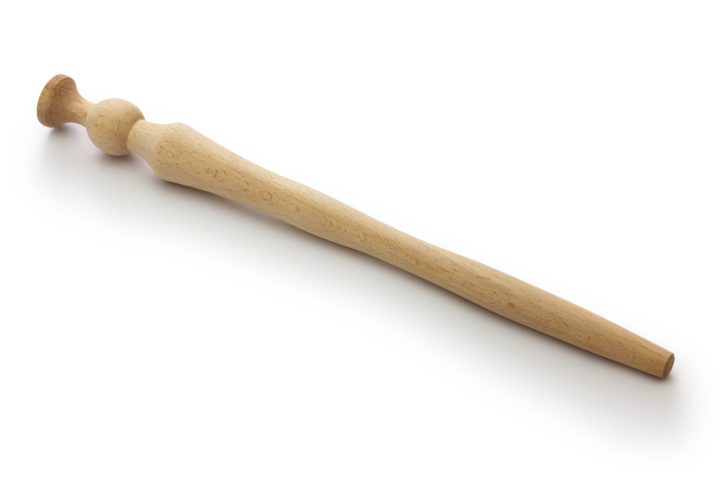
A spurtle is a traditional Scottish porridge stick. Its design prevents lumps better than a spoon. If you don’t have one, use a wooden spoon.
Don’t Rush
Slow cooking is essential. Quick-cook oats sacrifice flavour and texture.
Salt Timing
Always salt during cooking, not after. This allows the salt to penetrate the oats.
Traditional Serving Methods
Scottish Style
Serve in two bowls: one with hot porridge, one with cold milk or cream. Take a spoonful of porridge, dip in the cold cream, then eat.
Highland Style
Some Highland traditions include a dash of whisky stirred in at the end.
With Crowdie
In some regions, porridge is served with crowdie (Scottish soft cheese) on the side.
Nutritional Benefits
Traditional Scottish porridge is surprisingly nutritious:
- High fibre for digestive health
- Slow-release energy for sustained morning energy
- Oats are a good source of fibre
Regional Variations
Highland Style
Uses only water and salt, served very thick.
Common Mistakes to Avoid
- Using instant oats: lacks authentic texture
- Adding sugar during cooking: traditional porridge is savoury
- Rushing the cooking: slow cooking is essential
- Stirring insufficiently: leads to lumps and sticking
- Serving too thin: traditional porridge should coat the spoon
Modern Adaptations
While traditionalists stick to the classic recipe, modern variations include:
- Overnight porridge: soaked overnight for quick morning preparation
- Baked porridge: cooked in the oven for hands-free preparation
- Porridge bread: using leftover porridge in bread baking
Pairing Suggestions
Traditional Scottish porridge pairs well with:
- Scottish honey: heather honey is particularly good
- Fresh berries: Scottish raspberries or blueberries
- Cream: traditional Scottish double cream
- Whisky: a small dram of single malt
This traditional recipe has sustained Scottish families for generations. With simple ingredients and patient cooking, you can enjoy authentic Scottish porridge just as it’s been made for centuries.